← Accueil actu | Salle du marché
2026-09-10 · Source:Unite AI
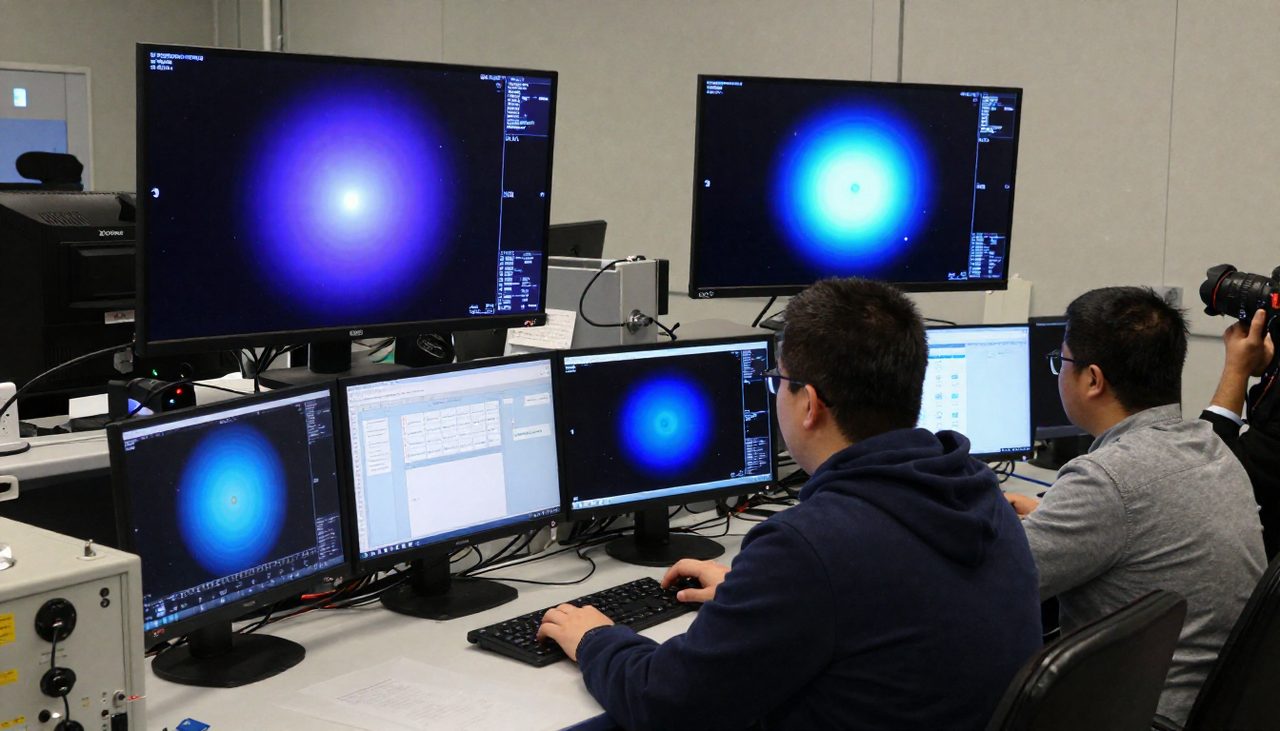
The deep-learning model, trained on 3.6 million physics-simulated plumes, identified more than 23,000 additional plumes worldwide from NASA's EMIT instrument, per Google's announcement.
Google and NASA's Jet Propulsion Laboratory (JPL) have introduced MAPL-EMIT, a deep-learning model built to detect, quantify and localize methane plumes across the planet using data from NASA's EMIT satellite instrument. The system was announced by Google on September 9, 2026, and pairs the company's machine-learning engineering with the laboratory's Earth-observation instrumentation, placing automated plume detection on a global, satellite-driven footing.
At the core of the model is a training corpus of 3.6 million physics-simulated methane plumes. Rather than depending exclusively on plumes labeled by hand in satellite imagery, MAPL-EMIT was trained on plumes generated through physics-based simulation — a dataset volume that manual annotation of orbital imagery could not realistically match. The announcement paired that training detail with the model's headline performance figures.
The performance delta against human review is substantial. According to Google, MAPL-EMIT detects 50% more plumes than human experts. In absolute terms, the model identified more than 23,000 additional plumes globally — including plumes at 24 of the world's 25 largest-emitting sites — that expert analysis had missed. The baseline for that comparison is expert visual inspection of the same satellite data.
For methane monitoring, the results indicate how much signal automated detection can extract from instruments already in orbit. EMIT's imagery covers the globe, and the gap between what human experts flagged and what MAPL-EMIT surfaced — upwards of 23,000 plumes — points to the scale of emissions data that expert review alone leaves on the table. The release also underscores a broader pattern: physics-based simulation as a training substrate for scientific vision models, allowing systems to be tuned at a scale no hand-labeled dataset could reach.
Mots-clés: Google · NASA JPL · MAPL-EMIT · EMIT · Methane Detection · Deep Learning
萬安算交所 AIXX · AIXX · Bourse compute vérifiée · Accéder à la salle